Real Estate Listing Video Lives or Dies in the First 7 Days
Real estate listings have a shelf life that most agents underestimate. New-listing email alerts, MLS “Just Listed” filters, Zillow search-result placement, and social media algorithm boost all peak in the first 3-7 days. Listings with high-quality video in those first 7 days capture multiples of the inquiry volume of identical listings without video. Listings that don’t get video until day 10 or later miss the window entirely — not because video stops working, but because the algorithmic and email-alert tailwind has passed.
This guide explains why 24-hour turnaround on real estate video editing is structural to listing success, how to actually achieve it, and what 24-hour turnaround should cost in 2026.
Why the First 7 Days Decide Listing Outcomes
The structure of the modern listing market has shifted dramatically in the past 5 years. Three specific platforms now drive most listing inquiries, and all three peak early:
MLS new-listing alerts
Most MLS platforms send buyer alerts for new listings within 24-48 hours of listing creation. Buyers who’ve set up alerts see your listing in their inbox during the first 48 hours. If you have video at that point, you’re competing on a different level than listings without it.
Zillow / Realtor.com search ranking boost
Both platforms give new-listing boost in search results for the first 7 days. After day 7, the listing falls into the regular ranking pool with thousands of other listings. Video in the first 7 days dramatically increases inquiry rate during the boost period.
Social media algorithm freshness
Instagram, Facebook, and TikTok algorithms favor fresh content. A listing video posted within 48 hours of going live performs 3-5x better organically than the same video posted on day 10. The algorithm treats fresh listings as inherently more shareable.
The combined effect: listings with video in the first 48-72 hours generate 4-5x the inquiry volume of identical listings that get video on day 10+. Days on market typically drops 30-40% as a direct result.
How to Actually Achieve 24-Hour Turnaround
Hitting consistent 24-hour video delivery requires structural setup — not just a faster editor. Three specific systems matter:
1. Pre-listing video shoot scheduling. Book the video shoot for the day before listing goes live, not the day of. This gives the editor a full day for color grading, music sync, and revisions without rushing. Most listing photography is shot 2-3 days pre-listing already; aligning video to the same schedule is structural rather than additional work.
2. Standardized brief and folder structure. Editors hit 24-hour turnaround consistently when the brief is standardized: property address, MLS number, agent branding, music genre preference, key features to highlight, format requirements (horizontal MLS, vertical Reels, square Facebook). A standard one-page brief that you fill out for every listing compresses editor time by 1-2 hours per project.
3. Outsourced editing with 24-hour standard turnaround. In-house listing video editing rarely hits 24-hour turnaround consistently because the agent is also showing properties, doing buyer consultations, and running the rest of the business. Outsourced editing with explicit 24-hour standard turnaround removes the bottleneck.
24-hour turnaround as standard is structurally different from 24-hour turnaround as rush option. Services that quote 3-5 day turnaround as standard with 24-hour rush surcharge are charging premium for what should be the baseline. Real estate is a 24-hour business. Editing services serving real estate properly should price 24-hour as the standard.
What a 24-Hour Listing Video Should Actually Include
Real estate listing video editing isn’t the same as wedding video editing — the time investment per project is much smaller, and the inclusions reflect that. A typical 1-3 minute listing video includes:
Standard 24-Hour Listing Video Inclusions
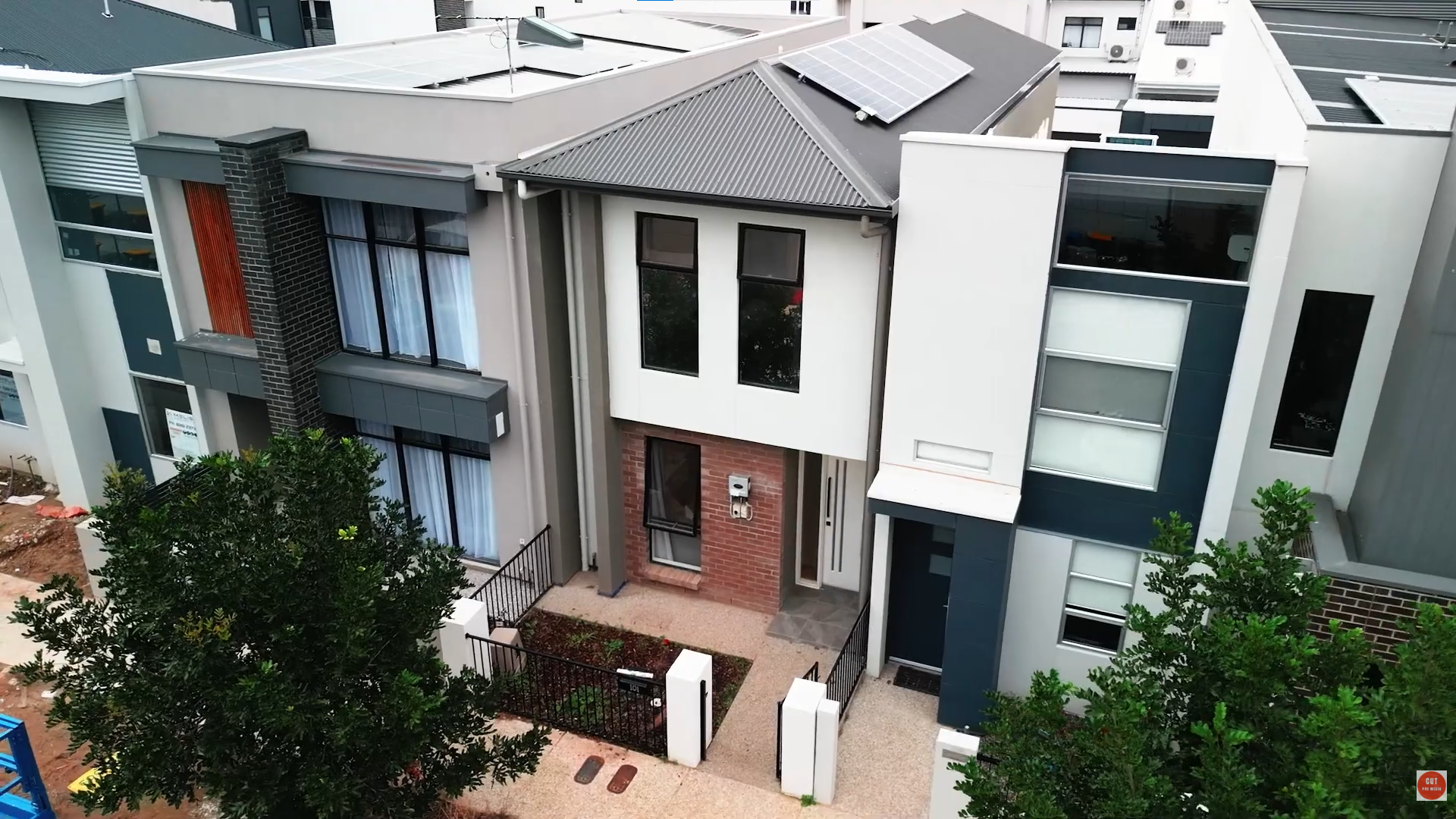
- Property exterior hero shot, often drone
- Walk-through pacing through main rooms
- Key feature highlights (kitchen, primary bath, view)
- Color grading matching agent brand
- Music sync with licensed track
- Title cards with address & agent branding
- Multi-format exports (horizontal, vertical, square)
- Drone integration if shot
Total editor time: 4-8 hours per project (compare to 25-40 hours for wedding video). The lower time investment is what makes 24-hour turnaround structural rather than aspirational at $140 per video.
What 24-Hour Real Estate Video Should Cost
Realistic 2026 pricing for 24-hour real estate listing video editing is $140 per video at dedicated outsource shops — with 24-hour turnaround included as standard, not as a rush surcharge.
Marketplace pricing ($30-150) often hits the lower end but with quality and turnaround risk. Marketing agency pricing ($400-900+) builds in enterprise overhead unsuitable for working agents. The $140 dedicated shop tier represents the realistic middle.
For brokerages doing 4+ listings per month, volume pricing applies: 15% off bundles, 22% off monthly retainers. At retainer pricing, listing video editing costs roughly $1.00-1.50 per square foot on a $500K listing — cheaper than the listing photography that everyone considers standard.
In 2026, listings without video are at a structural disadvantage. And listings with delayed video are barely better off — the 7-day window has already passed.
The Bottom Line: 24-Hour Video = Faster Sales
The structural reality of modern real estate listing marketing is that video matters most in the first 7 days — and only matters at all if it’s in those 7 days. A listing video delivered on day 10 might be beautifully crafted, but the algorithmic and email-alert tailwind has already passed.
For agents and brokerages serious about listing performance, the structural setup is: video shot pre-listing, edited within 24 hours, deployed to MLS / Zillow / Realtor.com / social on listing day. Anything less leaves performance on the table.
$140 per listing video on a $500K property represents 0.028% of sale price. The math doesn’t require ROI analysis — it requires recognizing that this is the cheapest, highest-leverage listing investment available.