Simple Tips for Wedding Video Editing That Create Unforgettable Memories
Introduction
Wedding videography has evolved into a form of cinematic storytelling. Couples are no longer satisfied with raw footage stitched together—they want emotion, flow, music, sound design, and a film that truly feels like their love story. This shift has increased the demand for professional wedding video editing tips that transform ordinary footage into heartfelt, cinematic memories. As a result, wedding video editing has become one of the most crucial elements of modern wedding filmmaking, shaping how couples relive their most important day.
But editing a wedding video is not just about technical skills. It’s about understanding emotion, knowing how to pace a story, recognizing moments that matter, and presenting them in a way that makes the couple relive their special day every time they watch it. Whether you’re new to wedding videography or looking to refine your approach, these simple yet powerful tips will transform your editing process and help you create unforgettable wedding memories.
In this comprehensive guide, we’ll explore everything from storytelling and audio selection to pacing, cinematic techniques, and workflow organization. By the end, you’ll understand not only what makes a wedding film unforgettable, but also how to achieve it consistently—making your services more valuable and your results more emotional.
Why Wedding Video Editing Matters More Than Ever
Wedding editing is where the magic happens. Unlike corporate videos or event highlights, wedding films are steeped in emotion. Editing determines:
- How the story flows
- How viewers feel at pivotal moments
- Whether the couple relives the day or merely watches it
- How professional and cinematic the final product appears
The raw footage alone cannot deliver this impact. Editing layers emotion onto visuals, weaving audio, music, slow motion, transitions, and color into a cohesive narrative.
In today’s digital-first world, couples share their wedding highlights online more than ever. Platforms like Instagram, YouTube, and TikTok demand emotionally captivating videos. A wedding film that is beautifully edited becomes a marketing tool—one that can generate referrals, boost your brand, and position you as a premium videographer.
That’s why the best wedding videographers don’t just shoot—they edit with purpose.
1. Start With a Story, Not a Timeline
Most beginners edit weddings chronologically:
- Bride getting ready
- Groom preparations
- Ceremony
- Reception
- Exit
This approach is safe, but it’s rarely cinematic. Great wedding films prioritize storytelling over strict timelines.
Build Emotional Arcs
Like a movie, a wedding film should:
- Hook viewers in the first 10 seconds
- Build anticipation and emotion
- Reward viewers with powerful moments
- End with a memorable emotional peak
Start your video with something emotional — vows, a speech, laughter, or an intimate moment. This captures attention and sets the tone.
2. Music Is the Heartbeat of a Wedding Film
Music drives the narrative, supports emotions, and sets the pace. The wrong track breaks immersion instantly.
How to choose music that works
- Match the personality of the couple
- Select music based on moments (romantic, energetic, slow, cinematic)
- Avoid copyrighted songs unless licensed
- Use professional music libraries like Musicbed, Artlist, or Soundstripe
A wedding without music feels incomplete. With the right soundtrack, the same clip can transform into a tear-worthy moment.
3. Use Transitions That Support the Story
Fancy transitions can attract beginners—but overuse screams amateur.
Use transitions intentionally:
- Crossfades for romantic moments
- Cut-on-action for dynamic sequences
- Natural wipes using objects (doors, crowd, dress)
- Speed ramps during energetic scenes
- Match cuts when shifting locations
Ask yourself: Does this transition improve the scene?– If the answer is no, delete it.
4. Color Grading Turns Ordinary Into Cinematic
Color grading is one of the most visible elements separating professionals from hobbyists.
Effective wedding color grading includes:
- Correcting exposure and white balance first
- Achieving consistent tones throughout the film
- Enhancing skin tones without oversaturation
- Using LUTs as a base—not a crutch
- Keeping the mood aligned with the couple’s vibe
(warm & emotional vs. neutral & classic)
Couples expect cinematic visuals. Grading ensures emotional consistency.
5. Let Audio Tell the Story
Viewers forgive imperfect visuals—but not terrible sound.
Essential audio editing steps:
- Prioritize vows, speeches, and reactions
- Remove background hums, pops, wind noise
- Balance music and speech levels
- Use ambient sound to add realism
- Time the music to emotional beats
If your music overwhelms the vows, you’re not editing—you’re noise-making.

We Can Help You With Professional Video Editing.
Unlimited Revisions – Whatever changes are needed, send them through and we will Fix them.
Fast Turnaround Time – We are always available to meet the tightest of deadlines when necessary.
Risk-Free Trial – Send your first video editing project to us and if you are not 100% happy with the results we produce, you don’t pay!
6. Slow Motion Is a Tool—Not a Crutch
Slow motion amplifies emotional beats when used sparingly.
Best moments for slow motion:
- First look
- Bride walking down the aisle
- First dance
- Veil flowing, champagne pops, confetti
7. Don’t Forget the Details
Weddings are filled with tiny, sentimental items that often mean the world to couples.
Capture:
- Rings, shoes, flowers
- Invitation cards
- Venue décor
- Family heirlooms
Details act as emotional breathers between high-impact scenes.
8. Always Edit With the Couple in Mind
Your artistic style matters—but the couple’s preferences matter more.
Ask them:
- Do they like energetic pacing or romantic slow burn?
- Do they enjoy traditional edits or cinematic films?
- Are cultural elements important to highlight?
A wedding video is not your portfolio piece—it’s their legacy.
9. Deliver Multiple Versions
Modern couples expect:
- Full-length documentary edit
- Highlight reel (3–7 minutes)
- Teaser for social media (30–60 seconds)
More deliverables = more value = higher earnings
Why Outsourcing Editing Creates Better Films
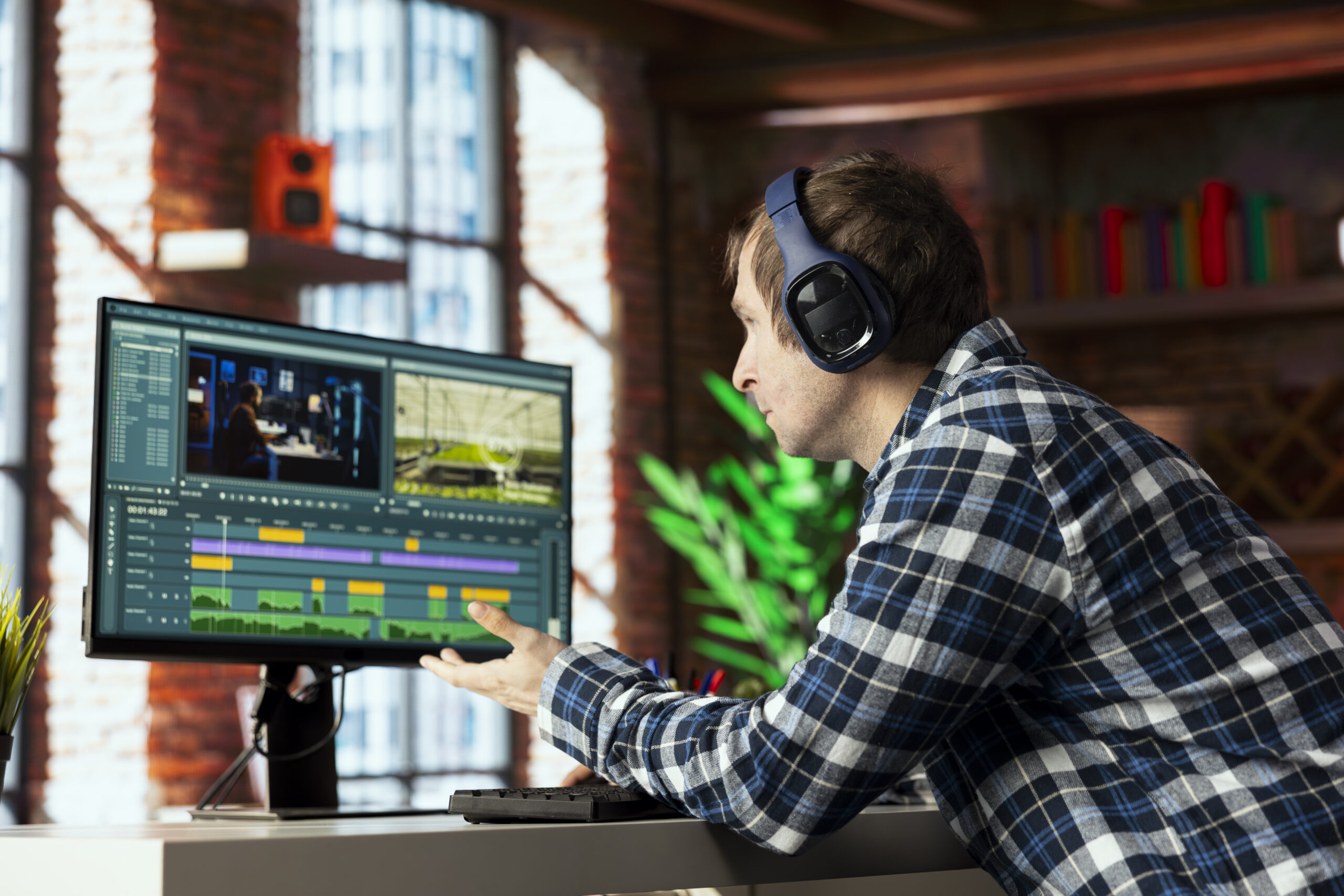
Even with skill, editing consumes 20–80 hours per wedding. Outsourcing allows you to:
- Take more bookings
- Reduce burnout
- Get consistent edits
- Scale your business without hiring staff
Cut Pro Media specializes in wedding video editing that:
- Matches your brand style
- Enhances your storytelling
- Provides fast, reliable turnaround
- Helps you serve more clients without sacrificing quality
Frequently Asked Questions
Is editing more important than filming?
They are equal. Footage is raw emotion; editing gives it life.
How long should a wedding video be?
Highlights: 3–7 minutes
Full film: 15–45 minutes
Can beginners create cinematic results?
Yes—if they follow storytelling, color, pacing, and audio rules.
Conclusion
Wedding video editing is not about effects—it’s about emotion. When you master music selection, pacing, sound design, transitions, and color grading, you transform raw footage into a timeless heirloom.
Couples don’t remember every detail from their wedding day—but your video lets them relive the moments that mattered most.
If editing is slowing you down or preventing you from scaling:
Partner with Cut Pro Media and free your time to focus on capturing love, not timelines.
Create unforgettable memories—without editing stress.